The Quick Answer
Yes — Portugal is widely considered one of Europe’s easiest countries for solo female travelers. English is common in tourism, cities are walkable, violent crime rates are low, and the social vibe tends to be relaxed rather than aggressive.
The honest version: you’ll still want normal city habits in Lisbon and Porto around crowded trams, miradouros, and nightlife strips — pickpocketing exists where tourists cluster. But compared with many European capitals, a lot of women describe Portugal as calm, friendly, and confidence-building.
If you’re thinking pastel de nata mornings in Lisbon, wine afternoons in Porto, or Algarve cliffs at golden hour, you’re picking one of the continent’s great “solo without stress” trips.
Portugal consistently ranks among the most peaceful countries globally. The US State Department typically rates Portugal at Level 1 (“Exercise Normal Precautions”). Visitor issues are mostly petty theft in busy tourist pockets — not violent crime.
What Makes Portugal Safe for Women
Walkable, human-scale cities. Lisbon is hilly but dense; Porto is compact. You’ll spend less time on stressful transit than in some mega-capitals.
Tourism is huge — in a good way. Staff are used to solo travelers; dining alone is completely ordinary.
Atlantic chill (literally and socially). Many travelers find Portuguese interactions gentler than in louder Mediterranean hotspots — fewer high-pressure street scripts.
Portugal is the country I suggest when someone wants “Europe solo” but feels nervous. Not because nothing ever happens — but because the baseline feels manageable, and confidence grows fast when your days aren’t a battle with crowds.
Safest Neighborhoods & Areas
Príncipe Real, Chiado & Campo de Ourique
Príncipe Real is leafy and stylish. Chiado is central for sights. Campo de Ourique feels local and calm for solo dinners. Alfama is beautiful — mind steep cobbles and quieter alleys very late; pickpockets target tram 28 crowds.
Excellent — watch trams & miradourosVictoria, Cedofeita & Ribeira
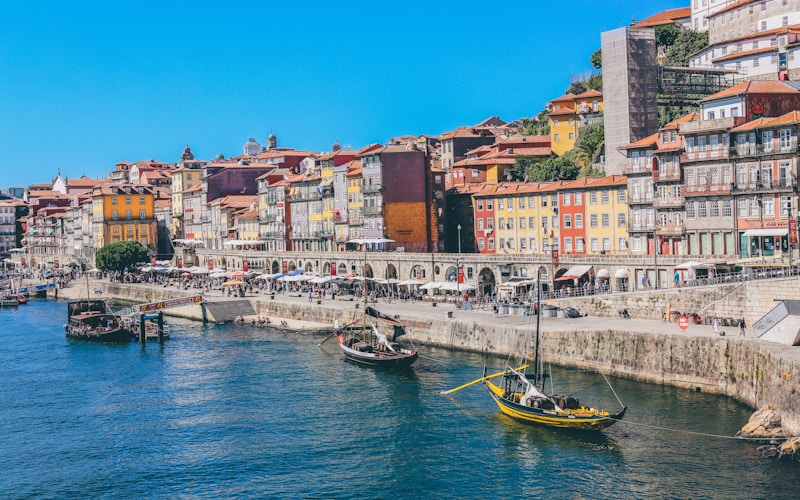
Porto’s center is sociable and photogenic. Ribeira is busy by the river — great by day and early evening; late night, stick to busier streets. Victoria and Cedofeita are great for cafés and boutiques.
Excellent for solo staysLagos, Tavira & Sagres
The Algarve is a classic solo beach break — English widely spoken, lots of small-group activities (kayaking, boat trips) if you want company. Lagos is lively; Tavira is quieter; Sagres draws surfers and sunset lovers.
Excellent for solo staysSintra & Cascais
Sintra is magical but crowded — go early for palaces and watch your bag on buses. Cascais is an easy coastal escape from Lisbon with a relaxed promenade vibe.
Excellent — plan Sintra timingWant group camaraderie after solo Portugal? Join us on small-group women’s trips in Istria.
Getting Around Safely
Trams & funiculars (Lisbon)
Iconic and useful — also pickpocket magnets on the busiest routes. Stand with bag in front; don’t leave phones on window ledges for “the shot” unless you’re gripping it.
Metro & trains
Lisbon and Porto metros are clean and straightforward. CP trains to Sintra or coastal towns are solo-friendly — watch bags on station platforms during rush hour.
Taxis & rideshare
Bolt and Uber operate in major cities; official taxis use meters. Late nights, apps reduce language friction and overcharge risk.
Drug offers in Baixa/Bairro Alto are common noise — calm “no thanks” and keep walking. Also: tram pickpockets and crowded miradouros — treat gorgeous viewpoints like metro platforms: bag closed, phone secured.
Driving
Highways are good; Lisbon parking is painful. Many solo travelers skip renting a car in cities and only drive for Algarve or Douro day trips.
Nightlife & Going Out
Bairro Alto and Pink Street in Lisbon are famous — busy, boozy, and generally fine with normal nightlife awareness. Porto’s Galerias de Paris area is similar.
Solo dining is easy everywhere. If you’re out late, prefer apps home or well-lit walks through busier streets — cobblestones + heels + hills = enough risk without adding empty alleys.
Timed tickets for busy miradouros-adjacent experiences reduce standing in crush crowds — fewer chances for petty theft and more time actually seeing the view.
Not sure about going completely solo? Our small-group trips pair you with women your age, a local woman guide, and zero planning stress.
→ See upcoming Croatia trips
Practical Safety Tips
Crossbody bag, zips closed — especially on tram 28, elevadores, and São Jorge Castle queues.
Tiles + rain = slippery — good shoes matter as much as “safety” in a practical sense.
Ocean swim caution — some Algarve beaches have strong currents; follow flags.
Travel insurance — always.
Emergency numbers: 112 (EU emergency), 112 also connects police/ambulance.
Best Time to Visit
March–May and September–October are golden: mild weather, festivals, and less brutal heat in Lisbon. Summer is lively — great for Algarve beach days, hotter in the cities.